
Home equity loans can be a smart way to borrow money, especially if you own a home and need cash for big expenses. However, choosing the right loan isn’t simple. Home equity loan rates vary by lender, loan type, and your financial profile. Understanding these differences can help you save money and avoid surprises. In this guide, you’ll learn how to compare home equity loan rates, what affects them, and how to choose the best option for your needs.
What Is A Home Equity Loan?
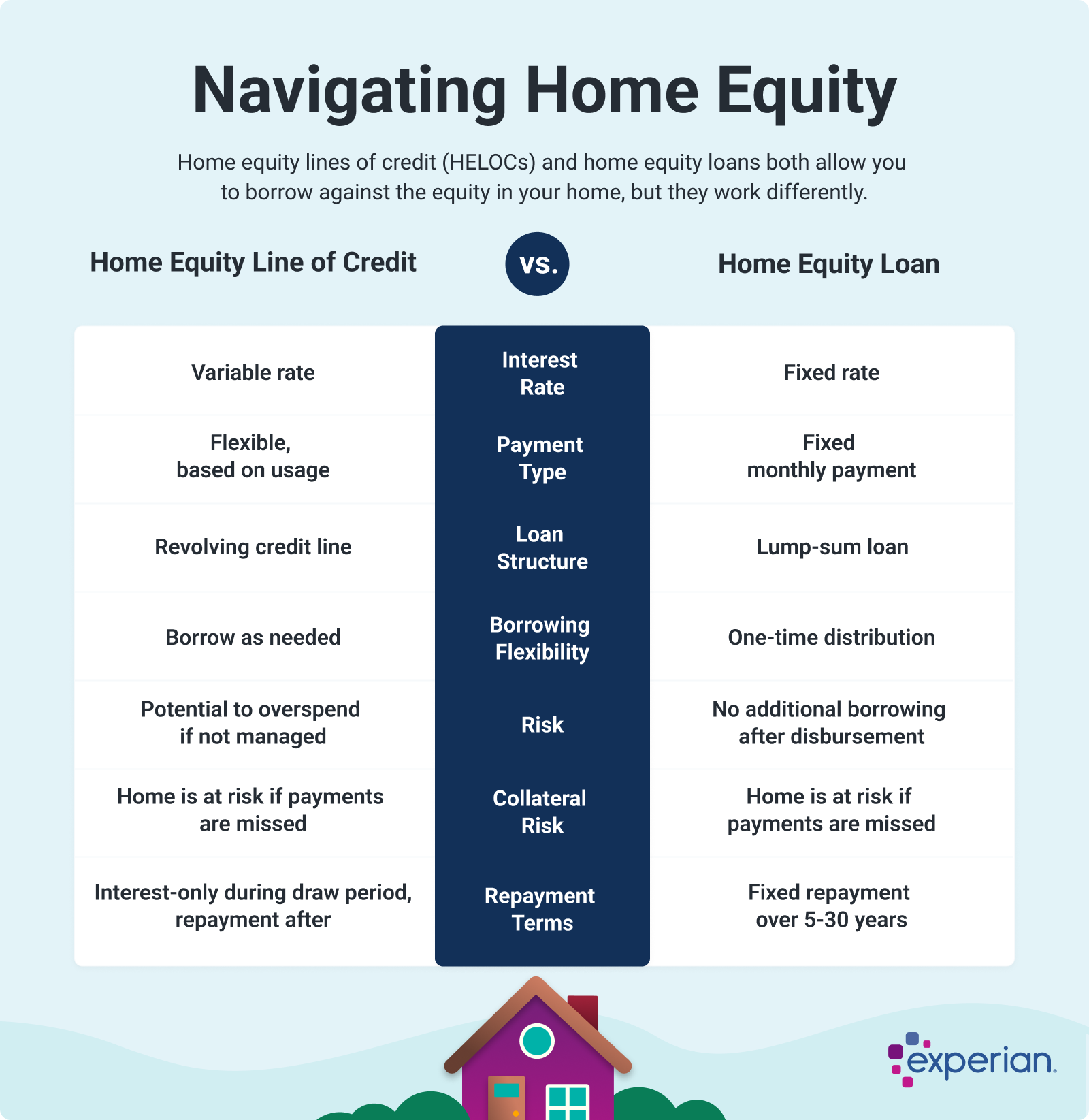
A home equity loan lets you borrow against the value of your house. You receive a lump sum, and then repay it over time at a fixed interest rate. This is different from a home equity line of credit (HELOC), which works more like a credit card. In both cases, your home acts as collateral. If you fail to pay, you risk losing your property.
Home equity loans are popular for:
- Renovations
- Debt consolidation
- Education costs
- Medical bills
Because the loan is secured by your home, rates are often lower than unsecured loans like personal loans or credit cards.
Key Factors That Affect Home Equity Loan Rates
Before comparing rates, it’s important to understand what lenders look at. Several factors determine your rate:
- Credit Score: Higher scores mean lower rates. Most lenders require a minimum of 620, but the best rates go to those with scores above 700.
- Loan-to-Value Ratio (LTV): This measures how much you owe compared to your home’s value. A lower LTV means less risk for the lender, so you may qualify for better rates.
- Loan Amount: Larger loans sometimes get lower rates, but this depends on the lender.
- Repayment Term: Shorter terms (like 5 years) usually mean lower rates, but higher monthly payments.
- Location: Rates may vary by state due to local laws and market conditions.
- Income and Debt: Your income and other debts affect your ability to repay. Lenders check your debt-to-income ratio (DTI).
Comparing Home Equity Loan Rates: Examples And Data
To make smart decisions, you need real numbers. Let’s look at how rates differ between lenders and loan types. Here are two sample tables based on recent market data:
| Lender | Fixed Rate (5-year) | Fixed Rate (15-year) | Fees |
|---|---|---|---|
| Bank of America | 7.25% | 8.10% | $0-$450 |
| Wells Fargo | 7.40% | 8.25% | $0-$600 |
| Chase | 7.30% | 8.00% | $0-$500 |
| U.S. Bank | 7.15% | 8.05% | $0-$400 |
Rates can change quickly, so always check the latest offers. Notice that fees also vary. Some lenders charge origination fees or appraisal fees, which can increase your total cost.
Home Equity Loan Vs. Heloc Rates
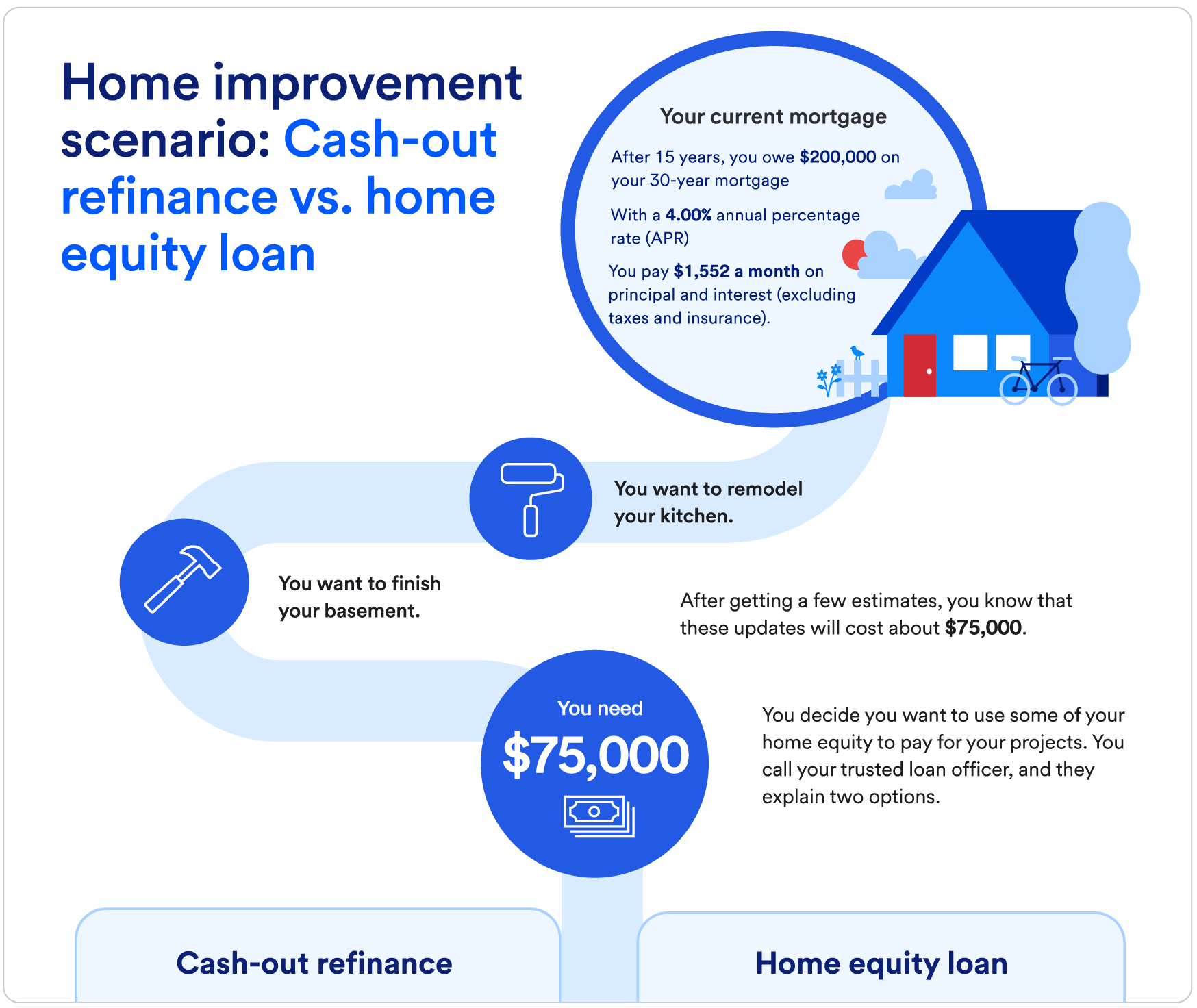
You may wonder how home equity loans compare to HELOCs. Here’s a quick breakdown:
| Loan Type | Typical Rate | Rate Type | Best For |
|---|---|---|---|
| Home Equity Loan | 7%–9% | Fixed | One-time expenses |
| HELOC | 8%–10% | Variable | Ongoing or flexible spending |
Home equity loans often have lower rates and predictable payments. HELOCs may start with lower rates but can increase over time. If you want stability, a home equity loan is safer.
How To Compare Rates Effectively
Comparing rates isn’t just about looking at numbers. Here’s a practical way to do it:
- Check APR, Not Just Interest Rate: APR includes fees and shows the true cost.
- Compare Repayment Terms: Shorter terms mean higher payments but lower total interest.
- Look at Fees: Some lenders advertise low rates but charge high fees.
- Calculate Total Cost: Use online calculators to see your monthly payment and total repayment.
- Ask About Discounts: Some banks offer lower rates if you open a checking account or set up automatic payments.
Here’s a sample calculation for a $50,000 loan at 7.5% APR over 10 years:
| Loan Amount | APR | Term | Monthly Payment | Total Interest |
|---|---|---|---|---|
| $50,000 | 7.5% | 10 years | $593 | $21,160 |
Most borrowers focus only on the monthly payment. But the total interest is just as important. Over 10 years, you pay more than $21,000 in interest.
Common Mistakes When Comparing Home Equity Loan Rates
Many people make costly errors when shopping for home equity loans. Here are the main mistakes:
- Ignoring APR: Some lenders hide fees in fine print. Always check APR.
- Not Reading Terms: Variable rates can jump unexpectedly. Fixed rates give peace of mind.
- Assuming All Lenders Are Equal: Rates and fees change from bank to bank.
- Skipping Negotiation: You can often negotiate lower fees or rates, especially if you have good credit.
- Overborrowing: Borrow only what you need. Larger loans mean more risk and higher payments.
A non-obvious insight: Even small differences in rates can add up. For example, a 0.5% lower rate on a $50,000 loan saves you about $1,400 over 10 years.
How To Qualify For The Best Rates
Getting the lowest rates isn’t just luck. Here’s how to improve your chances:
- Boost Your Credit Score: Pay bills on time, reduce debt, and check your credit report for errors.
- Lower Your LTV: Make extra mortgage payments to build equity before applying.
- Choose a Shorter Term: If you can handle higher payments, shorter terms have lower rates.
- Shop Around: Get quotes from at least 3 lenders. Online comparison tools make this easier.
- Prepare Documents: Lenders want proof of income, tax returns, and property details.
Another insight: Timing matters. If interest rates are rising, locking in a fixed rate now can protect you from future increases.
Pros And Cons Of Home Equity Loans
Before you decide, weigh the advantages and disadvantages.
Pros:
- Lower rates than unsecured loans
- Fixed payments make budgeting easier
- Can increase home value if used for renovations
- Interest may be tax-deductible (if used for home improvements)
Cons:
- Risk of foreclosure if you default
- Closing costs and fees can add up
- Requires good credit and enough equity
- Less flexibility than HELOCs
Many homeowners overlook the risk: If property values drop, you could owe more than your home is worth. Be careful not to borrow too much.

How Rates Change Over Time
Home equity loan rates depend on the overall economy. When the Federal Reserve raises rates, banks increase loan rates. During economic downturns, rates may fall. For example, in 2020, average home equity loan rates dropped below 6% in some areas. By 2024, rates had climbed to 7%–9% as the Fed raised interest to fight inflation.
You can track rates at sites like Bankrate for up-to-date information.
How To Find The Best Home Equity Loan Rate
Follow these steps for a successful search:
- Research Multiple Lenders: Don’t settle for the first offer.
- Compare APRs and Fees: Look at total cost, not just headline rates.
- Check Reviews: See what other borrowers say about the lender.
- Ask for Written Quotes: Get everything in writing to avoid surprises.
- Look for Special Offers: Some banks offer discounts for new customers.
Also, consider credit unions and online lenders. They often have lower rates than big banks.
Frequently Asked Questions
What Is The Average Home Equity Loan Rate In 2024?
In 2024, the average rate for home equity loans is about 7%–9% for fixed-rate loans. Rates change often, so check with lenders for the latest numbers.
Can I Get A Home Equity Loan With Bad Credit?
It’s possible, but rates will be higher. Most lenders need a minimum credit score of 620. If your score is lower, look for specialized lenders, but be ready for higher costs.
Are Home Equity Loan Rates Tax-deductible?
Interest is only tax-deductible if you use the loan to improve your home. If you use it for other reasons (like paying off debt), it’s not deductible. Consult a tax advisor for details.
How Do I Calculate My Loan-to-value Ratio (ltv)?
Divide your total mortgage debt by your home’s current value. For example, if you owe $150,000 and your home is worth $300,000, your LTV is 50%. Lower LTV means better rates.
Should I Choose A Home Equity Loan Or A Heloc?
Pick a home equity loan if you want a fixed rate and predictable payments. Choose a HELOC if you need flexible spending or expect to borrow in stages. Remember, HELOC rates can change.
Finding the right home equity loan rate takes effort, but the rewards are big. By comparing rates, checking terms, and preparing your finances, you can secure the best deal and avoid costly mistakes. Always look beyond the headline rate—fees, terms, and flexibility matter too.
With careful planning, you can use your home’s equity to achieve your goals, while staying financially safe.
Read More:
- Affordable Life Insurance Policy: Secure Your Future Without Breaking the Bank
- Business Liability Insurance Quote: Get the Best Rates Today
- Private Health Insurance Plans: Top Benefits and How to Choose
- Best Car Insurance Quotes Online: Save Big With Top Rates
- Compare Home Insurance Rates: Save Money With Smart Choices
- Best Personal Loan Rates: Unlock Top Offers for 2024
- Small Business Loan Pre Approval: Unlock Funding Faster
- Debt Consolidation Loan Online: Simplify Your Finances Today