
Every business faces risks—accidents, lawsuits, property damage. Without the right protection, just one incident can threaten everything you’ve built. This is where business liability insurance comes in. It’s a safety net that helps companies manage unexpected problems and stay focused on growth. But before you buy a policy, you need a business liability insurance quote. This quote tells you what coverage you can get and how much it will cost.
Getting a quote sounds simple, but there’s more to it than filling out a form. Factors like your industry, company size, and claims history all affect your price. Making the right choices can save money and prevent unpleasant surprises later.
This guide will explain how business liability insurance quotes work, what affects your costs, how to compare quotes, and what mistakes to avoid.
What Is Business Liability Insurance?
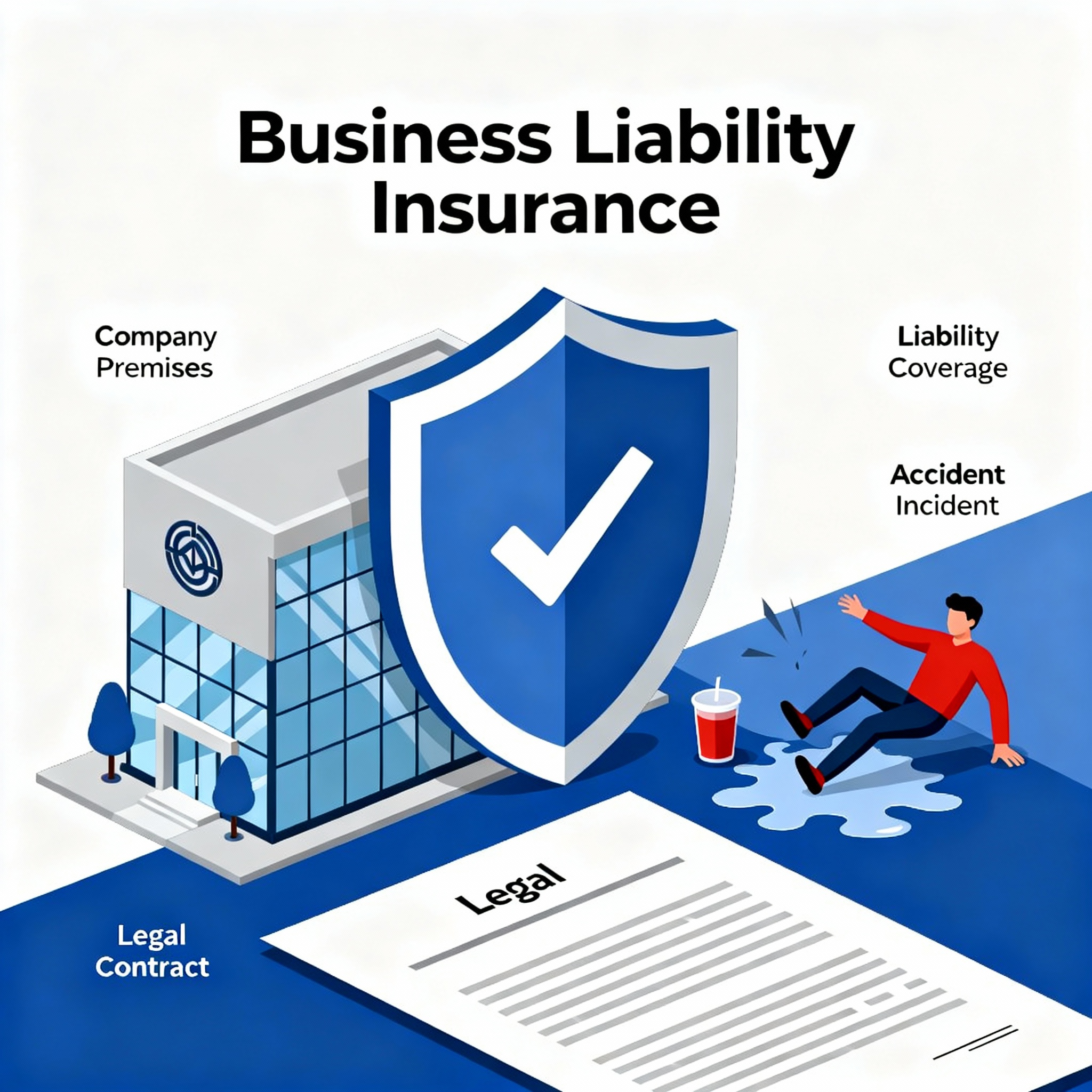
Business liability insurance protects your company from financial loss if you are held responsible for injury, damage, or mistakes. There are several types, but the most common is general liability insurance. This covers things like customer injuries on your property, damage to someone else’s property, or legal costs if you’re sued for advertising harm.
Other types include:
- Professional liability insurance: Covers mistakes in your professional services (also called Errors & Omissions).
- Product liability insurance: Protects you if your products cause harm.
- Employer’s liability insurance: Covers employee injury claims not handled by workers’ compensation.
Some businesses need more than one policy. For example, a small bakery might need general liability for slips and falls, and product liability if someone gets sick from their food.
Why A Business Liability Insurance Quote Matters
A business liability insurance quote is an estimate from an insurance company. It shows how much you’ll pay for a specific level of protection. Getting a quote is important because:
- It helps you budget. You know the cost before you buy.
- You can compare offers. Different insurers may offer different prices and coverage.
- You see what’s covered. Quotes include details about what is—and isn’t—protected.
Not all policies are the same, and neither are quotes. One insurer may offer a lower price but with less coverage. Another may cover more, but cost more. Comparing quotes lets you make the best choice for your business needs.

Key Factors That Affect Your Quote
Insurers look at many details before giving you a price. Understanding these helps you get an accurate quote and avoid surprises.
1. Industry And Business Type
Some industries are riskier than others. A construction company faces more hazards than a web design studio. Insurance companies use years of data to decide which industries have more claims.
2. Business Size And Revenue
The more people you employ or the more customers you serve, the higher your risk. Insurers often ask about:
- Annual revenue
- Number of employees
- Business location(s)
Larger businesses usually pay more, but not always. A small business with risky operations can sometimes pay higher rates than a bigger, safer one.
3. Coverage Limits And Deductibles
A coverage limit is the maximum amount the insurer will pay for a claim. Higher limits give more protection but cost more. A deductible is the amount you pay before insurance covers the rest. Choosing a higher deductible can lower your premium, but you’ll pay more out of pocket for each claim.
4. Claims History
If your business has filed many claims in the past, insurers may charge more. A clean history shows you manage risks well, which can help lower your rate.
5. Location
Where you operate matters. Some cities or states have higher rates of lawsuits or natural disasters, which can increase your costs.
6. Type Of Work And Contracts
If you sign contracts with large companies, they may require higher insurance limits. Doing work in other states or countries can also affect your quote.
How To Get A Business Liability Insurance Quote
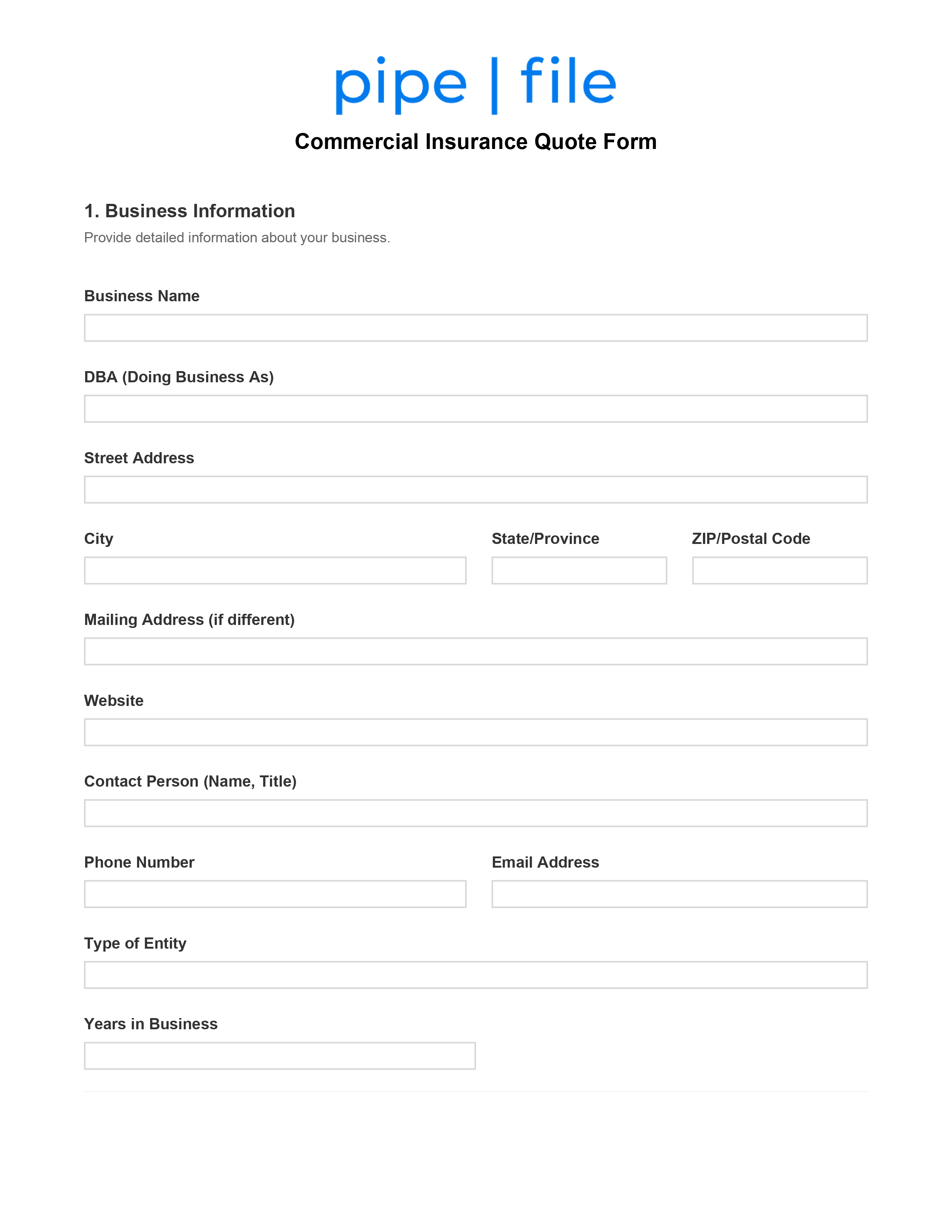
Getting a quote is easier today than ever before. Most insurance companies let you start online, but you’ll need to provide some basic information.
Step-by-step Process
- Collect business details: Business name, address, industry, years in operation, number of employees.
- Describe your operations: What does your business do? What products or services do you offer?
- Estimate annual revenue: Insurers use this to judge your risk.
- Share claims history: List any past insurance claims.
- Choose coverage limits: Decide how much protection you need.
- Get multiple quotes: Don’t settle for the first offer—shop around.
After you submit your details, you’ll usually get a quote within minutes. For more complex businesses, an agent may call to ask more questions.
Comparing Quotes: What To Look For
Not all quotes are equal. Look beyond the price. Coverage, exclusions, and service matter just as much.
Here’s a simple comparison of what you might see:
| Insurer | Annual Premium | Coverage Limit | Deductible | Key Exclusions |
|---|---|---|---|---|
| InsureCo A | $750 | $1,000,000 | $500 | Product liability excluded |
| InsureCo B | $1,100 | $2,000,000 | $1,000 | Advertising injury excluded |
| InsureCo C | $820 | $1,000,000 | $500 | Liquor liability excluded |
Key things to compare:
- Premiums: The yearly cost you pay
- Coverage limits: How much protection you get
- Deductibles: What you pay before insurance kicks in
- Exclusions: What’s NOT covered
- Additional services: Some insurers offer legal help, risk management, or online certificates at no extra cost
Common Coverage Options And Add-ons
Your quote may include extra options. Some are standard, others are add-ons (also called “endorsements”).
| Coverage Option | What It Protects | Who Needs It |
|---|---|---|
| Professional Liability | Errors, mistakes in service | Consultants, accountants, IT professionals |
| Product Liability | Injury from products sold | Manufacturers, retailers, restaurants |
| Cyber Liability | Data breaches, hacking | Any business handling customer data |
| Hired/Non-Owned Auto | Car accidents in rented or employee vehicles | Businesses using cars for work |
Non-obvious insight: Some add-ons are required by your clients or contracts. Always check your contracts for insurance requirements before buying a policy.
How Insurers Calculate Your Quote
Insurance companies use statistics, past claims data, and business information to estimate risk. They may use formulas or computer models to predict how likely you are to file a claim.
For example, if businesses like yours file 3 claims per 100 companies each year, your risk is higher than an industry with only 1 claim per 100. Insurers also look at the average cost of claims. If the average lawsuit in your industry is $50,000, your premium will reflect that.
Here’s a simplified view:
| Factor | Low Risk Example | High Risk Example | Effect on Premium |
|---|---|---|---|
| Industry | Graphic design studio | Roofing contractor | High-risk = higher premium |
| Revenue | $100,000/year | $5,000,000/year | Higher revenue = higher premium |
| Claims History | No claims | 3 claims in 5 years | More claims = higher premium |
Practical Tips To Lower Your Quote
You can often reduce your insurance cost with smart actions:
- Bundle policies: Buying general liability and property coverage together (a “business owner’s policy”) can save money.
- Raise your deductible: Higher deductibles lower your premium, but only choose what you can afford to pay if a claim happens.
- Show good risk management: Having safety plans, employee training, or security systems can help lower your risk.
- Review coverage regularly: As your business grows, make sure your coverage still fits your needs.
Non-obvious insight: Some insurers give discounts for having no claims, but you must ask. Don’t assume discounts are automatic.
Common Mistakes When Getting Quotes
Many business owners make avoidable errors when searching for business liability insurance quotes:
- Not comparing enough quotes: Prices and coverage can vary a lot.
- Underestimating revenue or risks: This can lead to denied claims if the insurer finds out later.
- Missing contract requirements: You may need higher limits or specific add-ons for certain clients.
- Ignoring exclusions: Never assume everything is covered. Always read the fine print.
If you’re unsure, work with an experienced insurance agent. They can explain unfamiliar terms and help you avoid gaps in coverage.
When Should You Update Your Quote?
You should get a new quote or review your policy if:
- You start a new service or product line
- Your revenue or payroll changes significantly
- You move or open a new location
- You sign a new contract with special insurance needs
- You haven’t checked prices in over a year
Insurance needs change as your business grows. Regular reviews keep you protected and may save you money.
The Importance Of Working With Trusted Providers
Choosing a reputable insurer is as important as the quote itself. Look for companies with:
- Strong financial ratings
- Good customer reviews
- Experience in your industry
- Clear, easy-to-understand policies
Ask other business owners who they use and if they’re happy with the service. If you want to check an insurer’s background, the National Association of Insurance Commissioners is a reliable place to start.
Is Online Or Agent Better?
You can get quotes directly on most insurer websites. This is fast and convenient, especially for simple businesses. However, if your business is unique, has special risks, or you have questions, talking to an agent can help. They can explain complex terms and make sure you don’t miss important coverage.
Frequently Asked Questions
What Is The Average Cost Of Business Liability Insurance?
The average general liability insurance policy costs between $350 and $900 per year for small businesses in the US. Prices vary by industry, location, and coverage needs.
Can I Get A Quote Without Buying A Policy?
Yes. Getting a business liability insurance quote does not obligate you to buy. It’s smart to compare several quotes before making a decision.
What Information Do I Need To Get A Quote?
You’ll need your business name, address, type of work, number of employees, estimated revenue, and past claims history.
Will My Quote Be The Same Every Year?
No. Your premium can change each year based on your claims history, revenue, industry trends, and other factors.
What Does A Business Liability Insurance Policy Not Cover?
Policies usually don’t cover employee injuries (that’s workers’ compensation), intentional illegal acts, or damage to your own property. Always check the policy exclusions section.
Protecting your business means being prepared for the unexpected. A good business liability insurance quote helps you find the right coverage at a fair price, so you can focus on what matters most—growing your business and serving your customers.
Read More:
- Affordable Life Insurance Policy: Secure Your Future Without Breaking the Bank
- Private Health Insurance Plans: Top Benefits and How to Choose
- Best Car Insurance Quotes Online: Save Big With Top Rates
- Compare Home Insurance Rates: Save Money With Smart Choices
- Best Personal Loan Rates: Unlock Top Offers for 2024
- Small Business Loan Pre Approval: Unlock Funding Faster
- Debt Consolidation Loan Online: Simplify Your Finances Today
- Home Equity Loan Rates Comparison: Find the Best Deals Today