
Finding the best personal loan rates can make a big difference in your monthly payments and total interest costs. Whether you need money for home repairs, medical bills, debt consolidation, or a major purchase, the right loan can help you reach your goals without stressing your budget.
But with so many lenders and offers, it’s easy to feel confused or overwhelmed. This guide will show you how to compare rates, what to watch out for, and how to choose the best personal loan for your needs.
How Personal Loan Rates Work
Personal loan rates are usually shown as annual percentage rates (APR). This number includes the interest rate plus some fees, so you know the real cost of borrowing. Most personal loans are unsecured, meaning you don’t need collateral. Lenders decide your rate based on:
- Credit score
- Income
- Debt-to-income ratio
- Loan amount
- Loan term (how long you’ll pay it back)
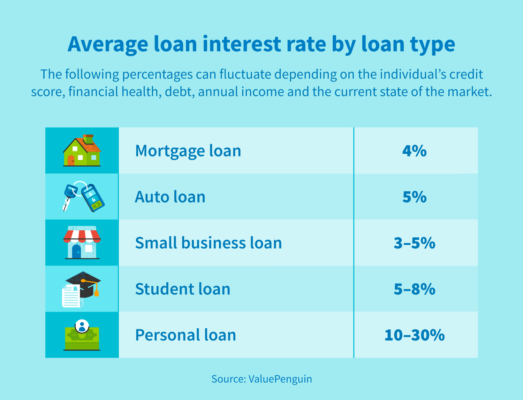
Rates can change widely—from about 6% to 36% APR—depending on your credit and which lender you choose.
Average Personal Loan Rates In 2024
To help you understand what’s typical, here’s a comparison of average personal loan rates based on credit score:
| Credit Score Range | Average APR | Typical Loan Amount |
|---|---|---|
| Excellent (720+) | 6%–10% | $10,000–$50,000 |
| Good (690–719) | 11%–18% | $5,000–$40,000 |
| Fair (630–689) | 19%–28% | $1,000–$30,000 |
| Poor (<630) | 29%–36% | $500–$20,000 |
If your credit score is high, you’ll usually get a lower APR and have access to larger loan amounts.
Top Lenders Offering The Best Personal Loan Rates
Many lenders compete to offer the best rates, but not every lender suits every borrower. Here are some leading choices in 2024:
- SoFi – Offers APRs starting around 6% for top credit scores. No fees, flexible terms, and unemployment protection.
- LightStream – Known for low rates and fast funding. Rates start at 6.99% APR. No fees and wide loan amounts.
- Marcus by Goldman Sachs – APRs from 6.99%. No fees, easy online application, and flexible payment options.
- Discover Personal Loans – APRs from 7.99%. No origination fees, fast approval, and good for debt consolidation.
- Upgrade – APRs from 8.49%. Good for fair credit. Offers quick funding and free credit monitoring.
- Upstart – Uses AI for approval, so even new borrowers may qualify. Rates start at 6.5% but can go higher for lower scores.
- LendingClub – APRs from 8.05%. Good for consolidating debt. Origination fee applies.
Each lender has its own requirements. For example, SoFi and LightStream want higher credit scores, while Upstart and Upgrade are friendlier to people with fair credit.
Comparing Personal Loan Offers
When comparing offers, don’t look at just the APR. Other factors matter too, like fees, loan terms, and speed of funding. Here’s a comparison of features from some popular lenders:
| Lender | Min APR | Max APR | Origination Fee | Funding Speed | Loan Term |
|---|---|---|---|---|---|
| SoFi | 6.0% | 20.0% | None | 1–3 days | 2–7 years |
| LightStream | 6.99% | 19.99% | None | Same day | 2–7 years |
| Marcus | 6.99% | 19.99% | None | 1–4 days | 3–6 years |
| Upgrade | 8.49% | 35.99% | 1.85%–8% | 1–4 days | 3–5 years |
| Upstart | 6.5% | 35.99% | Up to 8% | Next day | 3–5 years |
Notice that some lenders charge origination fees, which can add to your cost. Always check for hidden fees before applying.
What Affects Your Personal Loan Rate?
Several factors decide your loan rate. Here are the most important:
- Credit score: Higher scores get lower rates. If your score is below 690, expect higher interest.
- Income: Lenders want to see stable income to make sure you can pay back the loan.
- Debt-to-income ratio: If you already have lots of debt, your rate will go up.
- Loan amount: Bigger loans sometimes mean better rates, but not always.
- Loan term: Shorter terms usually have lower rates. Longer terms are easier to pay but cost more in interest.
Some lenders also look at job history, education, or even where you live.
How To Get The Best Personal Loan Rates
Here are steps you can take to get the lowest possible rate:
- Check your credit report: Fix any errors and pay off small debts to boost your score.
- Shop around: Get quotes from at least three lenders. Use online comparison tools to see rates side by side.
- Prequalify: Many lenders offer prequalification with a soft credit check. This won’t hurt your score.
- Choose a shorter loan term: If you can afford higher payments, shorter terms lower your rate.
- Consider a co-signer: If your credit is low, a co-signer with good credit can help you get a better rate.
- Look for promotions: Some lenders offer special deals for certain borrowers, such as members or first-time applicants.
An insight many beginners miss: prequalification does not guarantee approval, but it lets you see possible rates without hurting your credit. Also, improving your credit score by even 20–30 points can sometimes cut your APR by several percent.
Common Mistakes When Choosing A Personal Loan
Many people focus only on the interest rate. Here are some mistakes to avoid:
- Ignoring fees like origination or late payment penalties.
- Not reading the fine print about prepayment penalties (fees for paying off early).
- Applying to too many lenders at once, which can lower your credit score.
- Borrowing more than you need, which leads to higher payments and more interest.
- Not checking if the lender is legitimate. Always use trusted, regulated companies.
Another mistake is not considering the total cost over the life of the loan. For example, a low monthly payment may seem attractive, but if the loan term is long, you’ll pay much more in interest.
Personal Loan Rate Trends In 2024
Interest rates have changed a lot in recent years. In 2024, rates are slightly higher than in 2021–2022. This is due to inflation and Federal Reserve rate changes. Most experts expect rates to stay steady or rise slowly through the end of the year.
If you’re planning to borrow soon, it’s smart to lock in a good rate before further increases.

When Should You Take A Personal Loan?
Personal loans work best for:
- Debt consolidation: Paying off credit cards or other high-interest debts.
- Home repairs: For urgent fixes when you don’t have savings.
- Medical expenses: When you need quick funds for treatment.
- Major purchases: Like appliances or cars, if you can’t get a better rate elsewhere.
But avoid personal loans for risky investments or spending you can’t afford to repay.
Alternatives To Personal Loans
If you don’t qualify for a good rate, consider these options:
- Credit cards with 0% introductory APR (good for short-term borrowing).
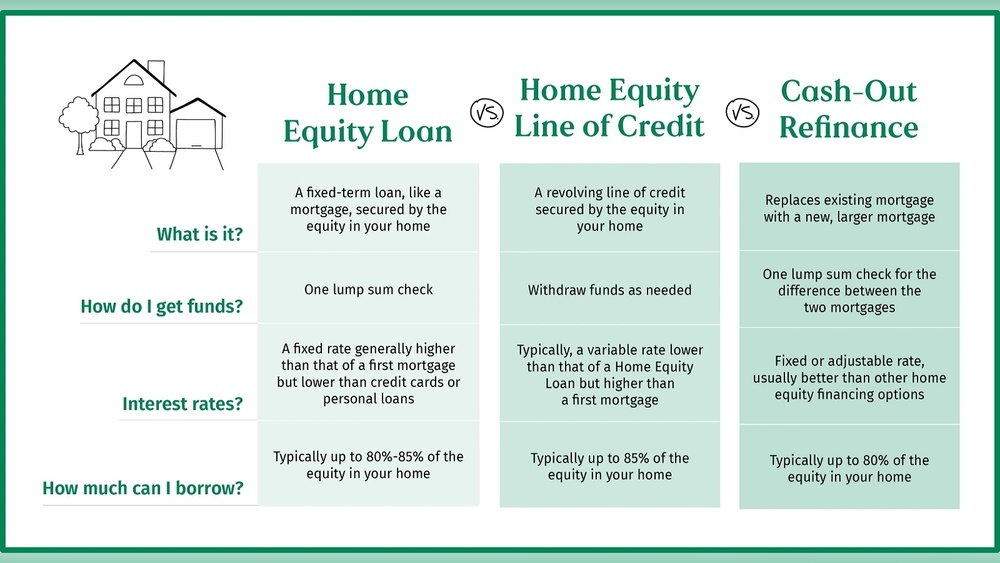
- Home equity loans or lines of credit (lower rates, but requires collateral).
- Borrowing from family/friends (be careful with relationships).
- Local credit unions (often offer lower rates to members).
These alternatives may work better if your credit is poor or if you need flexible terms.
How To Apply For A Personal Loan
Applying is simple, but you’ll need to gather some documents:
- ID (driver’s license or passport)
- Proof of income (pay stubs, tax returns)
- Bank statements
- Personal information (address, phone, Social Security number)
Most lenders let you apply online. You’ll get a decision quickly—sometimes in minutes. If approved, you’ll sign the agreement and funds will be sent to your bank account.
Example: Comparing Total Loan Costs
Let’s see how loan rates affect your payments. Suppose you borrow $10,000 for 3 years:
| APR | Monthly Payment | Total Interest | Total Cost |
|---|---|---|---|
| 7% | $308 | $1,088 | $11,088 |
| 15% | $347 | $2,492 | $12,492 |
| 28% | $452 | $6,272 | $16,272 |
A higher rate means much higher total costs. Always check these numbers before you accept a loan.
Real-world Tips For Finding The Best Rates
- Use credit unions: They often have lower rates than big banks.
- Negotiate: Some lenders will lower your rate if you ask, especially if you have strong credit.
- Check for discounts: Automatic payments or having a bank account with the lender can get you a discount.
- Read reviews: See what other borrowers say about the lender’s process and customer service.
Many beginners miss that smaller, local lenders sometimes offer better deals than large national brands.
Frequently Asked Questions
What Is A Good Personal Loan Rate?
A good personal loan rate is usually below 10% APR for excellent credit. If your rate is between 11%–18% and your credit is average, that’s normal. Rates over 20% are high—try to improve your credit or shop around.
How Can I Lower My Personal Loan Rate?
Raise your credit score, pay down debt, choose a shorter term, and apply with lenders that offer prequalification. Adding a co-signer or applying through a credit union can also help.
Does Applying For A Loan Hurt My Credit Score?
A single application causes a hard inquiry, lowering your score by a few points. Multiple applications in a short time can cause more damage. Use soft checks for prequalification whenever possible.
Are There Hidden Fees In Personal Loans?
Some lenders charge origination fees, late fees, and prepayment penalties. Always read the loan agreement carefully and ask the lender to explain any unclear charges.
Where Can I Compare Personal Loan Rates Online?
You can use sites like NerdWallet for up-to-date comparisons, lender reviews, and personalized rate estimates.
Getting the best personal loan rates takes a bit of research, but it’s worth the effort. By understanding how rates work, comparing offers, and avoiding common mistakes, you can save money and find a loan that fits your needs. Remember to check all terms, ask questions, and keep your borrowing under control.
The right personal loan can help you reach your goals without adding unnecessary stress.

Read More:
- Affordable Life Insurance Policy: Secure Your Future Without Breaking the Bank
- Business Liability Insurance Quote: Get the Best Rates Today
- Private Health Insurance Plans: Top Benefits and How to Choose
- Best Car Insurance Quotes Online: Save Big With Top Rates
- Compare Home Insurance Rates: Save Money With Smart Choices
- Small Business Loan Pre Approval: Unlock Funding Faster
- Debt Consolidation Loan Online: Simplify Your Finances Today
- Home Equity Loan Rates Comparison: Find the Best Deals Today