
Buying your first home is a huge step. It can feel exciting but also confusing, especially when you start looking at home buyer loan programs. Many people worry about high prices, strict requirements, and complicated paperwork. The good news is there are several programs designed to help first-time buyers. These programs can make the process easier, reduce costs, and even help you qualify if you don’t have perfect credit or a large down payment.
What Is A First Time Home Buyer Loan Program?
A first time home buyer loan program is a special mortgage option for people who have never owned a home or haven’t owned one in the past three years. These programs often offer lower down payments, reduced interest rates, and easier approval standards. Some are backed by the government, while others are offered by local banks and credit unions.
These programs are meant to help you get into your first home without needing a huge amount of money upfront. They also guide you through the buying process, which can be confusing if you’re new to it.
Most Popular First Time Home Buyer Loan Programs
Let’s look at the most common programs used by first-time buyers in the United States. Each has its own rules and benefits.
| Program Name | Down Payment | Credit Score Needed | Special Benefits |
|---|---|---|---|
| FHA Loan | 3.5% | 580+ | Flexible approval, low down payment |
| VA Loan | 0% | Varies | No down payment, no mortgage insurance |
| USDA Loan | 0% | 640+ | No down payment, rural areas only |
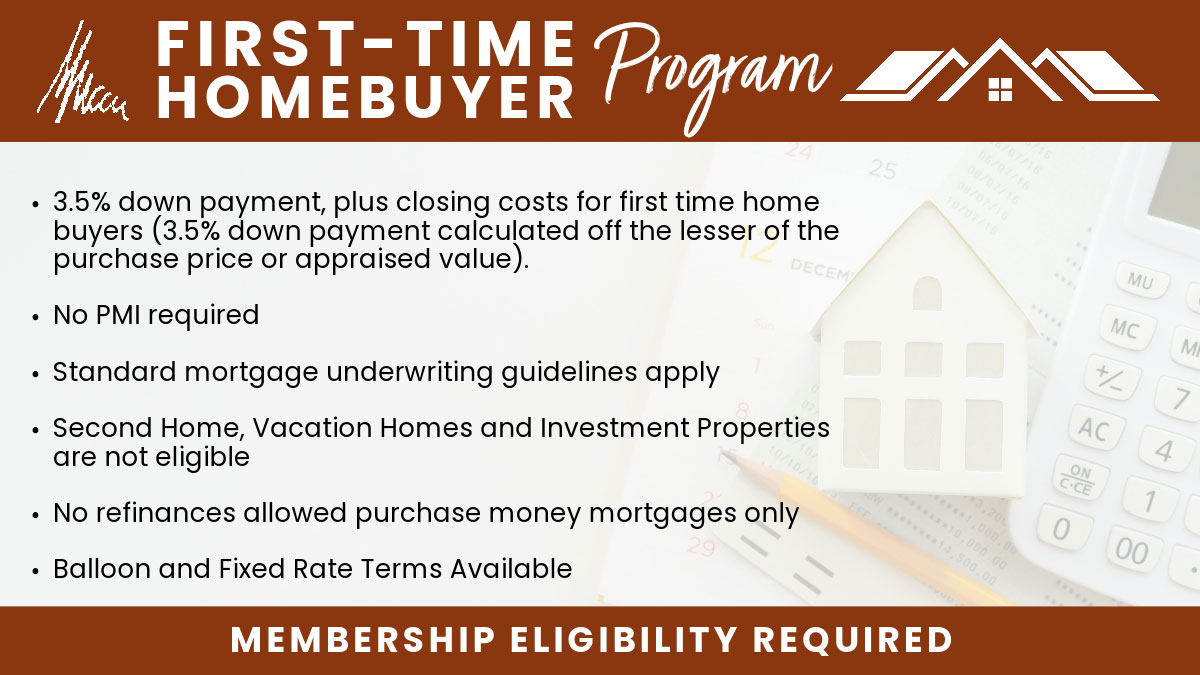
| Conventional 97 | 3% | 620+ | Low down payment, no upfront insurance |
Fha Loan
The FHA loan is a favorite for new buyers. It’s backed by the Federal Housing Administration. You only need a 3.5% down payment and a credit score of 580 or higher. If your score is lower (but above 500), you may still qualify with a 10% down payment. FHA loans allow for higher debt-to-income ratios and even accept some past credit problems.
Va Loan
If you are a veteran or active military, the VA loan is a great option. It’s backed by the Department of Veterans Affairs. You don’t need a down payment or mortgage insurance. The VA also caps closing costs, making it more affordable. The main requirement is military service, and each person’s eligibility is different.
Usda Loan
The USDA loan is for people buying homes in rural areas. It’s backed by the U.S. Department of Agriculture. You don’t need any down payment, but your income must be within certain limits. The home must be in an eligible area, so check the USDA map. This program is often overlooked, but it offers big savings if you qualify.
Conventional 97
The Conventional 97 loan is a standard mortgage with only 3% down. It’s not backed by the government, so lenders may be stricter with credit and income. However, you avoid paying upfront mortgage insurance, which saves money over time. This program is good for buyers with higher credit scores.
State And Local First Time Home Buyer Programs
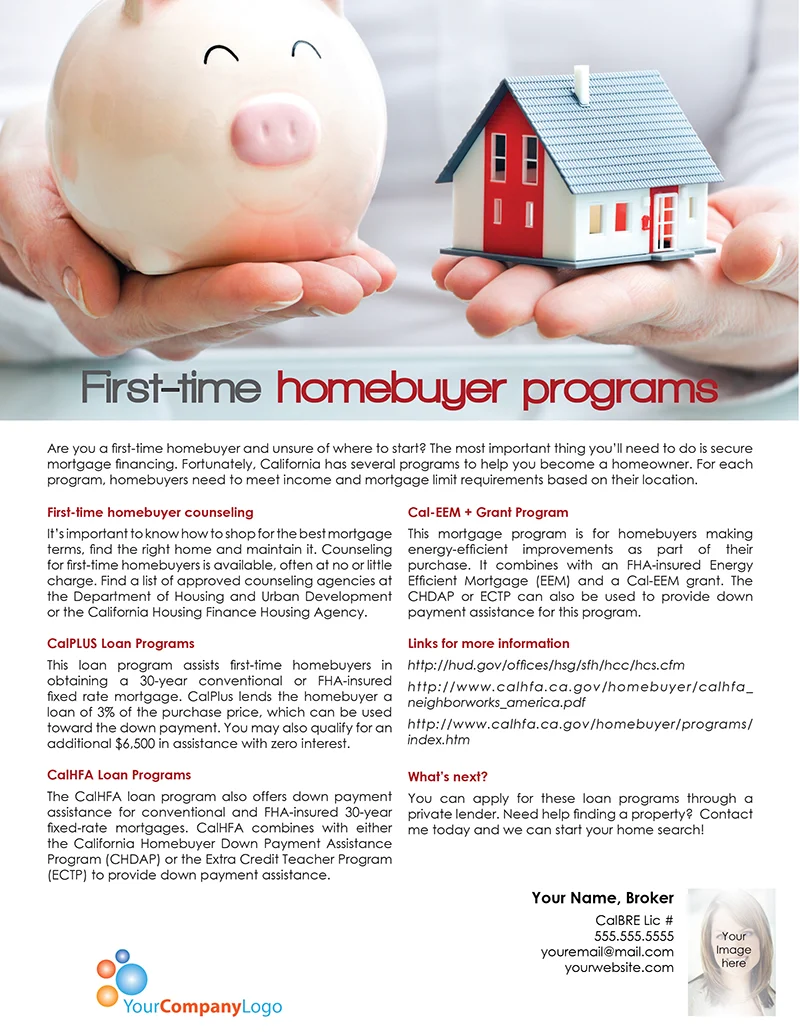
Besides national options, many states and cities offer their own programs. These can include grants, down payment assistance, or lower interest rates. For example, California’s CalHFA and Texas’s My First Texas Home offer special loans with reduced costs. Always check your local housing authority for details.
Some programs require you to take a home buyer education class. These classes teach you about budgeting, credit, and the buying process. Completing one can also help you qualify for more assistance.
| State Example | Type of Assistance | Eligibility |
|---|---|---|
| California (CalHFA) | Down payment grants | Income & home price limits |
| Texas (My First Texas Home) | Mortgage credit certificates | First-time buyer status |
| Florida | Closing cost assistance | Credit score 620+ |
Comparing First Time Home Buyer Program Benefits
When choosing a program, look at these important factors:
- Down payment requirements: Some programs let you buy with almost no money down.
- Interest rates: Lower rates mean smaller monthly payments.
- Credit score rules: If your credit is not perfect, FHA or USDA loans may be easier.
- Location limits: USDA loans only work in rural areas, while others are open nationwide.
- Extra costs: Mortgage insurance, closing fees, and other charges can add up.
Many buyers focus only on down payment, but monthly payments and total costs matter more in the long run. It’s smart to compare at least two programs before making your choice.
| Program | Monthly Payment (Estimate) | Mortgage Insurance? |
|---|---|---|
| FHA Loan | $1,200 | Yes |
| VA Loan | $1,100 | No |
| Conventional 97 | $1,250 | Sometimes |
Common Mistakes First Time Buyers Make
Many first-time buyers rush into the process. Here are mistakes to avoid:
- Not comparing programs: Each program has different costs and benefits.
- Ignoring credit score: Your score affects your interest rate and options.
- Forgetting about closing costs: These fees can be 2–5% of the home price.
- Skipping home buyer education: Learning about loans and budgeting helps you avoid surprises.
- Not checking local programs: Some cities offer grants or help that national programs don’t.
An easy tip: Start with a free eligibility check on a lender’s website or through a local housing authority. This can show you which programs you may qualify for.
How To Apply For A First Time Home Buyer Loan
The application process is simple if you follow these steps:
- Check your credit score: Use a free tool or your bank.
- Save for a down payment: Even small savings help.
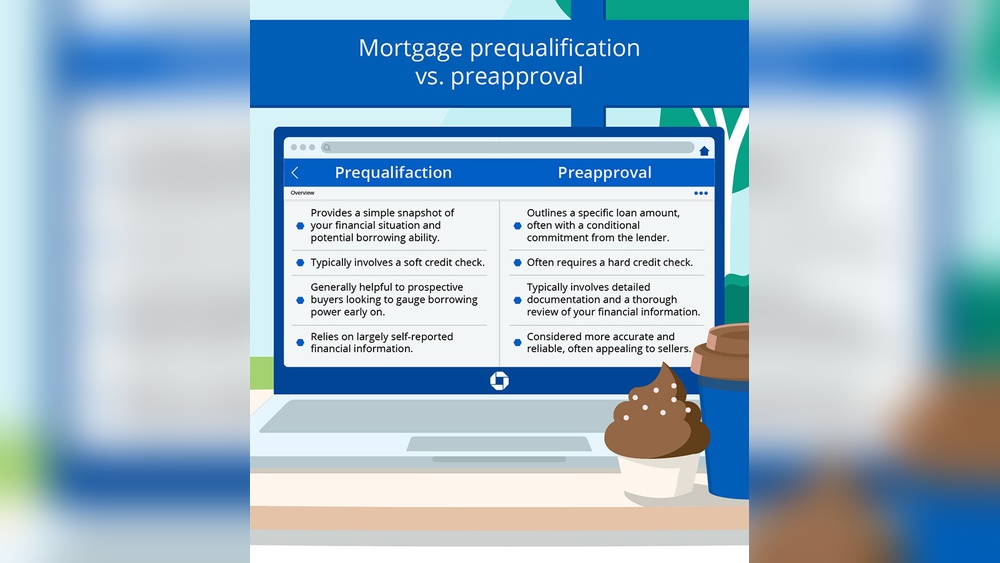
- Get pre-approved: Contact a lender and provide basic info.
- Find a real estate agent: Choose someone with first-time buyer experience.
- Gather documents: Pay stubs, tax returns, and ID are needed.
- Complete home buyer education: If required.
- Apply for the loan: Submit your application and wait for approval.
Most lenders will guide you through each step. Don’t be afraid to ask questions or request more details.

Frequently Asked Questions
What Is The Minimum Down Payment For A First Time Home Buyer Loan?
Most programs require between 0% and 3.5% down. VA and USDA loans have no down payment. FHA loans need 3.5%.
Can I Get A Loan With Bad Credit?
Yes. FHA loans accept scores as low as 580 (sometimes 500), but you may need a bigger down payment. Improving your credit can help you qualify for better rates.
Are There Grants For First Time Buyers?
Many states offer down payment grants or help with closing costs. These are often based on income or location. Check your local housing authority for options.
Do I Need To Pay Mortgage Insurance?
You must pay mortgage insurance with FHA loans and sometimes with Conventional 97 loans. VA loans do not require mortgage insurance, saving you money.
Where Can I Learn More About These Programs?
You can find more information on official sites like the Consumer Financial Protection Bureau.
Buying your first home is a big milestone. With the right loan program and careful planning, you can save money and avoid stress. Take your time, compare options, and ask for help when needed. The right program can turn your dream of owning a home into reality.
Read More:
- Affordable Life Insurance Policy: Secure Your Future Without Breaking the Bank
- Business Liability Insurance Quote: Get the Best Rates Today
- Private Health Insurance Plans: Top Benefits and How to Choose
- Best Car Insurance Quotes Online: Save Big With Top Rates
- Compare Home Insurance Rates: Save Money With Smart Choices
- Best Personal Loan Rates: Unlock Top Offers for 2024
- Small Business Loan Pre Approval: Unlock Funding Faster
- Debt Consolidation Loan Online: Simplify Your Finances Today