
Finding the best mortgage refinance rates can save you thousands of dollars over the life of your loan. Many homeowners refinance to lower their monthly payments, reduce interest, or access equity. But navigating the world of refinance rates can feel confusing, especially if you’re not familiar with finance terms. Here’s a clear guide to help you understand how rates work, what influences them, and how to secure the best deal for your situation.
What Affects Mortgage Refinance Rates?
Lenders don’t offer the same rates to everyone. Several factors impact the refinance rate you’ll be offered:
- Credit score: Higher scores mean lower rates. For example, borrowers with scores above 760 often get the best rates.
- Loan-to-value ratio (LTV): If you owe less compared to your home’s value, lenders see you as less risky.
- Debt-to-income ratio: Lower ratios are better.
- Loan type: Conventional, FHA, VA, and jumbo loans all have different rates.
- Market conditions: Rates change daily based on economic trends.
Here’s a comparison of average refinance rates by credit score:
| Credit Score | Average Rate (%) |
|---|---|
| 760+ | 6.4 |
| 700-759 | 6.7 |
| 660-699 | 7.1 |
| 620-659 | 7.6 |
Comparing Different Types Of Refinance Loans
Not all refinance loans are equal. Choosing the right type helps you get a better rate and terms.
Conventional Refinance
Most borrowers use conventional loans. These usually offer the lowest rates, especially for those with high credit scores and low LTV.
Fha Refinance
FHA loans are backed by the government. They are good for people with lower credit scores but come with higher insurance costs.
Va Refinance
VA loans are available to veterans. They often have lower rates and no mortgage insurance.
Jumbo Refinance
If your loan is larger than standard limits (over $726,200 in most areas), you’ll need a jumbo loan. Rates are usually higher, and requirements are stricter.
Here’s a table comparing average rates for different loan types:
| Loan Type | Average Rate (%) | Credit Requirements |
|---|---|---|
| Conventional | 6.5 | 680+ |
| FHA | 6.7 | 580+ |
| VA | 6.3 | None |
| Jumbo | 7.0 | 700+ |
How To Find The Best Mortgage Refinance Rates
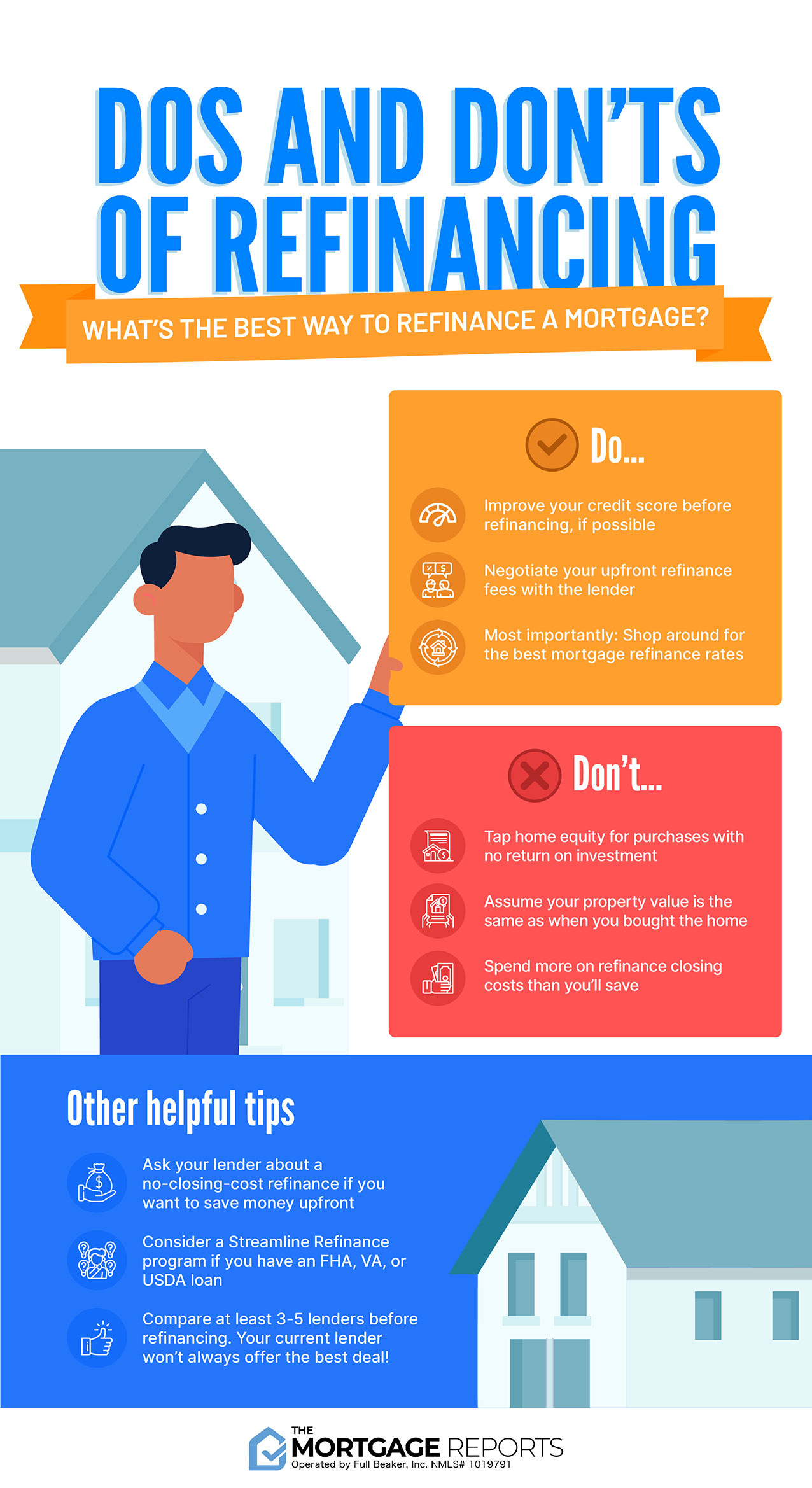
Shopping for refinance rates is not just about comparing numbers. It’s about understanding what’s behind each offer.
- Check your credit score: Before applying, know where you stand. Improving your score by even 20 points can reduce your rate.
- Research lenders: Don’t just talk to your current lender. Compare at least three lenders, including banks, credit unions, and online companies.
- Understand fees: Sometimes, a low rate comes with high fees. Look for the annual percentage rate (APR), which includes fees.
- Lock your rate: Once you find a good rate, ask your lender to lock it. Rates can change quickly.
- Ask about discounts: Some lenders offer lower rates for automatic payments or larger down payments.
Here’s a comparison of refinance offers from popular lenders:
| Lender | 30-Year Fixed Rate (%) | APR (%) | Estimated Fees ($) |
|---|---|---|---|
| Quicken Loans | 6.5 | 6.7 | 3,800 |
| Wells Fargo | 6.6 | 6.8 | 3,500 |
| Chase | 6.4 | 6.6 | 4,000 |
Non-obvious Tips For Lower Refinance Rates
Many homeowners miss these strategies:
- Timing matters: Rates tend to be lower in winter months when fewer people refinance.
- Shorter terms: A 15-year refinance rate is often much lower than a 30-year one. If you can afford higher payments, you’ll save more.
- Boost your equity: Paying extra toward your principal before refinancing can improve your LTV and get you a better rate.
- Ask about no-cost refinancing: Some lenders offer deals with no upfront fees, but check if the rate is higher.
Common Mistakes To Avoid
Avoid these traps when refinancing:
- Ignoring the APR: Focusing only on the interest rate can hide expensive fees.
- Not comparing offers: Even small differences in rate can add up to thousands over years.
- Overlooking break-even point: If you plan to move soon, refinancing may not make sense. Calculate how long it will take to recover costs.
- Missing documentation: Delays happen when you don’t have all your paperwork ready, including pay stubs, tax returns, and bank statements.
When Should You Refinance?
Refinancing makes sense if:
- Your current rate is at least 0.75% higher than today’s rates.
- You want to switch from an adjustable-rate to a fixed-rate loan.
- You need to shorten your loan term or access equity for renovations.
But it’s not always smart. If you plan to move within a few years, or your fees are too high, refinancing might not pay off.
For up-to-date rate averages and trends, you can check the official data at Freddie Mac.

Frequently Asked Questions
What Is The Average Mortgage Refinance Rate In 2024?
The average 30-year fixed refinance rate is around 6.5% in early 2024. Rates change often, so check with lenders for the latest numbers.
How Does My Credit Score Impact Refinance Rates?
A higher credit score can lower your interest rate. For example, scores above 760 may qualify for rates below 6.5%, while scores under 660 could see rates above 7%.
What Fees Should I Expect When Refinancing?
Common fees include origination fees, appraisal costs, title insurance, and closing costs. These usually total 2-5% of your loan amount.
Can I Refinance If I Have Little Equity In My Home?
Yes, but options are limited. FHA and VA streamline programs allow refinancing with less equity, but rates and fees may be higher.
How Do I Know If Refinancing Is Worth It?
Calculate the break-even point: divide your total costs by your monthly savings. If you plan to stay in your home longer than this, refinancing is likely a good choice.
Getting the best mortgage refinance rates is not just about finding a low number—it’s about understanding your situation, comparing offers, and making smart decisions. Take your time, ask questions, and use the tips above to get the most value from your refinance.
With careful planning, you can save money and make your finances healthier for years to come.
Read More:
- Affordable Life Insurance Policy: Secure Your Future Without Breaking the Bank
- Business Liability Insurance Quote: Get the Best Rates Today
- Private Health Insurance Plans: Top Benefits and How to Choose
- Best Car Insurance Quotes Online: Save Big With Top Rates
- Compare Home Insurance Rates: Save Money With Smart Choices
- Best Personal Loan Rates: Unlock Top Offers for 2024
- Small Business Loan Pre Approval: Unlock Funding Faster
- Debt Consolidation Loan Online: Simplify Your Finances Today